A straighter smile isn’t just about looks. Proper teeth alignment improves oral health, enhances confidence, and can even prevent long-term dental problems. When it comes to orthodontic treatment, many patients in Vaughan face an important decision: Invisalign or traditional braces? Both methods effectively correct misaligned teeth, but each has unique advantages depending on your needs, lifestyle, and orthodontic goals.
This comprehensive guide will help you understand the differences between Invisalign and traditional braces — so you can make an informed decision for your smile.
What Are Traditional Braces?
Traditional braces are fixed orthodontic appliances made of brackets, wires, and bands. Brackets are bonded to the front of each tooth and connected by a metal wire. Over time, the wire is adjusted to guide teeth into proper alignment.
Benefits of Traditional Braces:
- Effective for all types of orthodontic issues
- Predictable results for complex cases
- No need to remember to wear them
- Usually more affordable than some alternatives
Traditional braces remain a trusted choice, especially for difficult tooth movements.
What Is Invisalign?
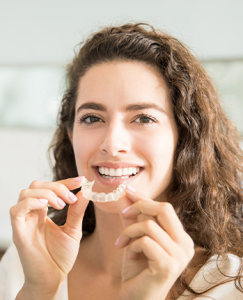
Invisalign uses a series of clear, custom-made aligners to gently guide teeth into place. Each set of aligners is worn for about 1-2 weeks before progressing to the next. The aligners are removable, virtually invisible, and tailored to each patient’s dental needs.
Benefits of Invisalign:
- Nearly invisible — great for adults and self-conscious teens
- Removable for eating, brushing, and flossing
- More comfortable with no metal wires or brackets
- Fewer emergency office visits
Invisalign is ideal for many mild to moderate alignment concerns and is becoming increasingly popular in Vaughan.
Comparing Invisalign vs Traditional Braces
Here’s a breakdown of the key differences to help you decide:
1. Appearance
Invisalign aligners are clear and discreet, making them a popular choice for adults and professionals in Vaughan who prefer a subtle treatment.
Traditional braces are more noticeable due to metal brackets and wires. While less discreet, some patients — especially teens — choose colorful bands for personalization.
Winner for Appearance: Invisalign
2. Comfort
Invisalign aligners are made of smooth plastic that is typically more comfortable than metal brackets. There are no sharp wires or brackets that can irritate your cheeks or gums.
Braces may cause discomfort after adjustments, especially in the first few days following tightening.
Winner for Comfort: Invisalign
3. Effectiveness
Traditional braces are highly effective for complex orthodontic issues such as:
- Severe crowding
- Large bite discrepancies
- Tooth rotation
- Significant jaw alignment problems
Invisalign is very effective for mild to moderate cases, including:
- Slight crowding or spacing
- Mild bite issues (overbite, underbite, crossbite)
- Dental alignment refinement
For complex cases, braces are often the most reliable choice.
Winner for Complex Cases: Traditional Braces
4. Convenience & Lifestyle
Invisalign aligners are removable, so you can:
- Eat all your favourite foods
- Brush and floss normally
- Enjoy special occasions without hardware
However, aligners must be worn 20-22 hours per day for best results. Missing wear time can delay treatment.
Traditional braces are always working — you don’t need to remember to wear them, but food restrictions (like sticky or hard foods) apply.
Winner for Lifestyle Flexibility: Invisalign
5. Maintenance & Oral Hygiene
With Invisalign, you remove the aligners to brush, floss, and clean your teeth. This makes maintaining oral hygiene easier and reduces the risk of staining or decay during treatment.
Traditional braces make flossing and brushing more challenging. Special tools like floss threaders or interdental brushes are needed.
Winner for Oral Hygiene: Invisalign
6. Cost Considerations
Costs vary based on treatment complexity and duration. Traditionally:
- Braces are typically less expensive for complex cases.
- Invisalign may be slightly more expensive due to custom aligner fabrication.
Many Vaughan dental clinics offer flexible payment plans or financing. Your dentist can provide a detailed estimate during a consultation.
Winner for Cost (complex cases): Traditional Braces
7. Treatment Time
Each case is unique, but generally:
- Invisalign treatment can range from ~6-18 months for mild to moderate issues.
- Traditional braces often range from ~12-30 months, depending on complexity.
In some cases Invisalign may be quicker; in others, braces may reach goals more predictably.
Winner for Potential Speed: Varies by Case
Who Is a Good Candidate for Invisalign?
Invisalign works well for:
- Adults and teens with mild to moderate alignment issues
- People with good oral hygiene habits
- Patients who want a discreet option
- Busy professionals and students in Vaughan
Your dentist will assess your dental history, bite, and alignment during a consultation to determine if Invisalign is appropriate.
Who Should Choose Traditional Braces?
Traditional braces are recommended for:
- Severe crowding or spacing
- Major bite corrections
- Rotated or vertically misaligned teeth
- Cases requiring precise control of complex movements
Braces may also be the preferred option for patients who may struggle with the discipline of removable appliances.
The Vaughan Patient Experience
Both Invisalign and traditional braces treatments begin with a comprehensive orthodontic assessment. At your initial visit, your dentist will:
- Review your dental and medical history
- Take digital X-rays or scans
- Evaluate bite, jaw alignment, and tooth position
- Discuss goals, expectations, and lifestyle preferences
Your Vaughan dental provider will explain all options, anticipated duration, approximate cost, and care instructions.
Tips for a Successful Orthodontic Journey
No matter which treatment you choose, success depends on a few key habits:
For Invisalign:
✔ Wear aligners 20-22 hours/day
✔ Rinse and clean aligners daily
✔ Brush after eating before re-inserting aligners
✔ Attend scheduled check-ups
For Traditional Braces:
✔ Avoid sticky, chewy, and hard foods
✔ Use orthodontic-approved floss and brushes
✔ Report any broken wires or brackets promptly
✔ Attend adjustment appointments
Conclusion: Invisalign or Braces — What’s Right for You?
Both Invisalign and traditional braces are powerful tools for creating a straighter, healthier smile. The best choice depends on your unique dental needs, lifestyle, age, and treatment goals.
- Choose Invisalign if you want a discreet, comfortable, and flexible option for mild to moderate alignment issues.
- Choose Traditional Braces if you have complex orthodontic needs or want a reliable method for significant realignment.
Ready for a Straighter Smile in Vaughan?
At Dr. Dalmao’s dental practice, we provide personalized orthodontic consultations to help every patient make the best decision. Whether you prefer Invisalign’s clear aligners or the precision of traditional braces, our experienced team will guide you through every step.
👉 Book your orthodontic consultation today and discover your best path to a confident, healthy smile!
Visit https://drdalmao.com/