Dental implants are designed to provide a stable and long-lasting solution for missing teeth. However, getting a dental implant is only one part of maintaining a healthy smile. Proper dental implant aftercare is important for protecting the implant, surrounding gums, and replacement tooth over the long term.
After implant treatment, your mouth needs time to heal and adjust. Following your dentist’s instructions, maintaining good oral hygiene, attending regular dental appointments, and making healthy lifestyle choices can all support the long-term health of your dental implants.
At Dr. Dalmao Dental Center, dental implants are used to replace missing teeth and restore both the appearance and function of the smile. The dental implant process includes an initial examination, implant placement, healing, attachment of the abutment, and placement of the final restoration. Regular dental check-ups are also recommended to monitor the health and function of implants.
Why Is Dental Implant Aftercare Important?
Dental implants are designed to function much like natural teeth, but they still require proper care.
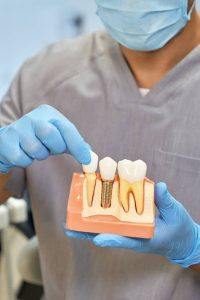
The implant itself is placed into the jawbone, while an abutment connects the implant to the replacement tooth. The surrounding gums and tissues also need to remain healthy to support the restoration.
Good dental implant maintenance can help:
- Keep the gums around the implant healthy
- Reduce the buildup of plaque and bacteria
- Protect surrounding natural teeth
- Maintain a comfortable bite
- Keep the replacement tooth looking clean
- Allow your dentist to identify potential problems early
Taking care of your implants should become part of your normal oral hygiene routine rather than something you only think about immediately after treatment.
Follow Your Dentist’s Instructions After Implant Treatment
The first step in caring for your dental implant is following the specific aftercare instructions provided by your dental team.
Your recovery instructions may vary depending on the type of implant treatment you received and whether additional procedures were performed.
Your dentist may provide guidance regarding:
- Eating and drinking
- Oral hygiene
- Physical activity
- Medication
- Swelling and discomfort
- Cleaning around the treatment area
- Follow-up appointments
Every patient’s treatment and healing process is different, so your dentist’s personalized instructions should take priority.
Be Careful With Your Diet During Initial Healing
After dental implant surgery, your dentist may recommend a soft-food diet for a period of time.
Soft foods can reduce pressure on the treatment area while your mouth heals.
Depending on your dentist’s instructions, suitable options may include:
- Yogurt
- Smoothies
- Mashed vegetables
- Soft eggs
- Soups
- Oatmeal
- Soft pasta
- Other easy-to-chew foods
Avoid chewing directly on the implant area until your dental professional says it is safe to do so.
As your mouth heals, you can gradually return to your regular diet according to your dentist’s recommendations.
Maintain Excellent Oral Hygiene
One of the most important parts of caring for dental implants is keeping your mouth clean.
Although the replacement tooth cannot develop a cavity in the same way as a natural tooth, plaque and bacteria can still accumulate around the implant and affect the surrounding gum tissue.
Your daily oral hygiene routine should generally include:
Brush Your Teeth Regularly
Brush your teeth gently and thoroughly using a soft-bristled toothbrush.
Pay particular attention to the areas around the implant and gumline.
Your dentist may recommend a specific toothbrush or cleaning technique depending on your individual needs.
Clean Between Your Teeth
Flossing or using an appropriate interdental cleaning device can help remove food particles and plaque from areas that a toothbrush cannot reach.
Ask your dentist or dental hygienist which method is best for cleaning around your specific implant.
Consider Specialized Cleaning Tools
Some patients may benefit from interdental brushes, water flossers, or other oral hygiene tools.
The right option depends on the implant restoration, gum health, and your overall oral hygiene needs.
Your dental team can demonstrate the best way to clean around your implant without irritating the surrounding tissues.
Keep Your Gums Healthy
Healthy gums are an important part of long-term implant care.
Plaque accumulation around an implant can contribute to inflammation and other oral health problems. This is why maintaining clean gums around the implant is essential.
Watch for changes such as:
- Redness
- Swelling
- Tenderness
- Bleeding
- Persistent discomfort
- Changes in how the implant feels
If you notice anything unusual around your dental implant, contact your dentist for an evaluation rather than ignoring the symptoms.
Avoid Smoking and Tobacco Products
Smoking can negatively affect oral health and may interfere with the healing process following dental implant treatment.
Tobacco use can also contribute to gum problems and make it more difficult to maintain healthy tissues around an implant.
If you smoke, speak with your dental professional about ways to protect your oral health and improve your chances of maintaining healthy implants.
Be Careful With Hard Foods
Once your implant has healed and your dentist has cleared you for a normal diet, you can generally return to regular eating.
However, it is still a good idea to avoid unnecessarily biting extremely hard objects or using your teeth to open packages.
Hard foods and objects can damage natural teeth as well as dental restorations.
Avoid habits such as:
- Chewing ice
- Biting pens or pencils
- Opening packages with your teeth
- Biting very hard objects
- Using your teeth as tools
Protecting your restoration can help you enjoy your new smile for longer.
Attend Regular Dental Check-Ups
Regular dental appointments are an important part of dental implant maintenance.
Even if your implant feels completely normal, professional examinations allow your dental team to monitor the implant, restoration, gums, and surrounding teeth.
Dr. Dalmao’s dental implant process includes regular check-ups to help ensure implants remain healthy and function properly.
During your dental visits, your dentist may evaluate:
- The implant
- The gums surrounding the implant
- The replacement tooth
- Your bite
- Nearby natural teeth
- Overall oral hygiene
Regular professional cleanings can also help remove plaque and buildup that may be difficult to remove with your daily routine.
What Should You Do If Your Implant Feels Loose?
A dental implant or restoration should not be ignored if it feels loose or different from normal.
Contact your dentist if you notice:
- Movement in the implant or restoration
- A change in your bite
- Persistent pain
- Swelling
- Bleeding
- Discomfort when chewing
- Damage to the replacement tooth
Do not attempt to tighten, adjust, or repair the restoration yourself.
Your dentist can determine whether the issue involves the restoration, abutment, implant, or surrounding tissues and recommend the appropriate treatment.
How Long Can Dental Implants Last?
Dental implants are designed as a long-term tooth replacement solution, but their longevity depends on several factors.
These may include:
- Oral hygiene
- Gum health
- General health
- Lifestyle habits
- Smoking or tobacco use
- Bite forces
- Regular dental care
- Proper maintenance
Dr. Dalmao’s dental implant information notes that many implants can last a lifetime, while also emphasizing the importance of regular check-ups to maintain their health and function.
While no dental treatment can guarantee a specific lifespan for every patient, taking good care of your implant can support its long-term success.
Can Dental Implants Get Cavities?
The implant itself cannot develop a traditional cavity because it is not a natural tooth.
However, the replacement crown or bridge attached to the implant can still become damaged, and the natural teeth surrounding the implant remain susceptible to cavities.
More importantly, the tissues around an implant need to remain healthy.
This is why brushing, cleaning between teeth, professional dental cleanings, and regular examinations remain important even after you have replaced a missing tooth with an implant.
What Are the Signs You Should Contact Your Dentist?
It is important to pay attention to changes around your dental implant.
Contact your dentist if you experience:
- Persistent or worsening pain
- Swelling around the implant
- Bleeding that does not improve
- Gum changes
- Difficulty chewing
- A loose restoration
- Changes in your bite
- Persistent bad taste or odor
- Unusual sensitivity or discomfort
Early evaluation can help your dental team determine the cause of the problem and recommend appropriate care.
Do not wait for a minor concern to become a major dental problem.
Dental Implant Care Is a Long-Term Commitment
Dental implants are intended to restore your smile and help you regain normal chewing and speaking function. However, maintaining the results requires ongoing care.
Think of your implant as part of your overall oral health routine.
Brush and clean your teeth every day, maintain healthy gums, avoid damaging habits, attend regular dental appointments, and contact your dentist when you notice something unusual.
Your dental implant should not require complicated daily care. Consistency is the most important part of maintaining your smile.
Why Choose Dr. Dalmao Dental Center for Dental Implants?
Dr. Dalmao Dental Center provides dental implant treatment as part of its comprehensive dental services. The implant process includes an initial examination and imaging, implant placement, a healing period, placement of the abutment, and the final customized replacement tooth.
The practice has dental offices in Mississauga and Vaughan, providing convenient access to dental implant care for patients in both communities.
The dental team also emphasizes personalized treatment and patient education, helping patients understand their treatment plans and make informed decisions about their oral health.
Care for Your Dental Implants and Protect Your Smile
Proper dental implant aftercare plays an important role in maintaining your oral health after treatment. Following your dentist’s instructions during the healing period, maintaining excellent oral hygiene, avoiding harmful habits, and attending regular dental examinations can help protect your implant and surrounding tissues.
If you have recently received a dental implant or are considering replacing a missing tooth, professional guidance can help you understand the best way to care for your smile.
Book Your Dental Implant Consultation
If you are considering dental implants or need advice about caring for an existing implant, contact Dr. Dalmao Dental Center to schedule a consultation.
With convenient locations in Mississauga and Vaughan, the dental team can evaluate your oral health, discuss your tooth replacement options, and create a treatment plan based on your individual needs.
Book your appointment with Dr. Dalmao Dental Center today and take the next step toward maintaining a healthy, confident smile.