
Missing teeth can affect much more than the appearance of your smile. They can make chewing difficult, affect your confidence, change the way you speak, and may contribute to changes in your bite over time. Fortunately, dental implants offer a durable tooth replacement option that can help restore both the appearance and function of your smile.
For patients considering dental implants in Mississauga, understanding how implants work and the benefits they can provide can make it easier to determine whether this treatment may be right for you.
What Are Dental Implants?
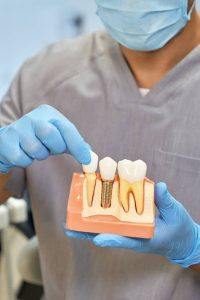
Dental implants are tooth replacement devices designed to replace the root portion of a missing tooth. They typically consist of a small titanium implant post that is surgically placed into the jawbone. Once the implant has integrated with the bone, it can support an artificial tooth, such as a dental crown.
Unlike removable dentures, dental implants are designed to remain securely in place. They can provide a stable foundation for replacing one missing tooth, several teeth, or an entire arch of teeth, depending on your individual needs.
The goal of implant treatment is not simply to fill the space left by a missing tooth. It is to create a replacement that looks natural, feels comfortable, and helps restore everyday oral function.
How Dental Implants Restore Your Smile
One of the most noticeable effects of missing teeth is the change they can make to your smile. Gaps between teeth can affect your appearance and may make you feel less comfortable smiling, speaking, or socializing.
Dental implants can help fill these gaps with tooth-coloured restorations designed to blend with your surrounding natural teeth. Your dentist can consider factors such as the size, shape, and shade of your existing teeth when planning your restoration.
A well-designed implant restoration can help create a more balanced and natural-looking smile.
Improving Your Confidence
When you lose a tooth, you may become more conscious of the way you smile or speak. Some people avoid showing their teeth in photographs or feel uncomfortable in social situations.
Replacing missing teeth can help you feel more confident about your appearance. Because dental implants are designed to resemble natural teeth, they can provide a discreet solution for people who want to restore their smile.
How Dental Implants Improve Chewing Function
Your teeth play an important role in breaking down food before it reaches your digestive system. Losing one or more teeth can make certain foods harder to chew.
Some people with missing teeth begin avoiding foods that are difficult to eat, such as crunchy vegetables, firm meats, or certain fruits. Over time, this can affect eating habits.
Dental implants provide a stable foundation for replacement teeth. Because the implant is anchored in the jawbone, the resulting restoration can provide greater stability than a removable appliance.
This can make everyday activities such as biting and chewing more comfortable.
Dental Implants Can Help Restore Bite Function
Missing teeth can change how the remaining teeth come together when you bite. Depending on the location and number of missing teeth, this may affect your chewing pattern.
Replacing missing teeth with dental implants can help restore the spaces within your smile and support a more balanced bite.
Your dentist will evaluate your teeth, gums, jaw, and bite before recommending implant treatment. This assessment helps determine the most appropriate approach for your individual situation.
Dental Implants and Jawbone Preservation
Another important benefit of dental implants is their relationship with the jawbone.
When a natural tooth is lost, the bone surrounding the missing tooth may gradually lose stimulation and begin to shrink. This process is known as bone resorption.
Because dental implants are placed into the jawbone, they can provide stimulation similar to that provided by natural tooth roots. This may help support the jawbone and maintain the structure of the area where the tooth was lost.
Preserving the underlying bone can also help support the appearance of your facial structure and provide a foundation for the implant restoration.
Dental Implants Can Replace Different Types of Missing Teeth
Dental implant treatment can be used in several different situations.
Replacing One Missing Tooth
A single dental implant can support an individual crown when one tooth is missing. This approach can replace the missing tooth without requiring neighbouring healthy teeth to be prepared for a traditional bridge.
Replacing Several Missing Teeth
When multiple teeth are missing, implants may be used to support several individual restorations or an implant-supported bridge.
Replacing an Entire Arch
For patients who have lost most or all of their teeth in an arch, implant-supported solutions may provide a more stable alternative to conventional removable dentures.
The appropriate treatment depends on the number and location of missing teeth, your oral health, bone structure, and overall treatment goals.
Who May Be a Candidate for Dental Implants?
Dental implants may be an option for adults who have one or more missing teeth and want a stable tooth replacement solution.
However, not everyone is immediately ready for implant placement. Your dentist may evaluate:
- The health of your gums
- The condition of your jawbone
- The location of missing teeth
- Your overall oral health
- Your bite and remaining teeth
- Your ability to maintain good oral hygiene
In some cases, additional procedures may be recommended before an implant can be placed. For example, patients who have experienced significant bone loss may require bone grafting to create an appropriate foundation for an implant.
A dental implant consultation is the best way to determine whether treatment is appropriate for your situation.
What Is the Dental Implant Process Like?
The dental implant process generally involves several stages.
1. Initial Consultation
Your dentist will examine your mouth and discuss your concerns, dental history, and treatment goals. Diagnostic imaging may also be used to evaluate the jawbone and surrounding structures.
2. Treatment Planning
Based on the examination, your dentist will create a personalized treatment plan. This may involve determining the ideal position for the implant and identifying whether additional procedures are required.
3. Implant Placement
The implant post is carefully placed into the jawbone. The area is allowed to heal while the implant integrates with the surrounding bone.
4. Healing and Integration
The implant needs time to become securely integrated with the jawbone. The length of this stage varies from patient to patient.
5. Restoration
Once the implant has healed sufficiently, an artificial tooth or other restoration can be attached to complete the treatment.
Your dentist will explain each stage and provide instructions to help support a smooth recovery.
Caring for Your Dental Implants
Proper oral hygiene is important for maintaining both your natural teeth and your dental implants.
Patients should continue brushing twice a day and cleaning between their teeth as recommended by their dental professional. Regular dental examinations and professional cleanings are also important.
Although the replacement tooth itself cannot develop a cavity, the gums and tissues surrounding an implant still need proper care. Maintaining healthy gums can help support the long-term success of your implant.
Avoiding tobacco products and following your dentist’s recommendations can also contribute to good oral health.
How Long Can Dental Implants Last?
Dental implants are designed to be a long-term tooth replacement solution. However, their longevity can vary depending on factors such as oral hygiene, gum health, bone condition, lifestyle habits, and regular dental care.
The restoration attached to an implant may eventually require maintenance or replacement due to normal wear.
Regular dental visits allow your dentist to monitor your implants and surrounding tissues and identify potential concerns early.
Why Choose Dental Implants in Mississauga?
If you have missing teeth and live in Mississauga, consulting a dental professional can help you understand your available replacement options.
At Dr. Dalmao, dental implant treatment is planned according to each patient’s individual oral health, needs, and smile goals. A professional assessment can help determine whether dental implants are suitable and what type of restoration may provide the most appropriate solution.
Whether you have recently lost a tooth or have been living with missing teeth for years, it is never too early to discuss your options.
Restore Your Smile and Everyday Function
Missing teeth can affect your confidence, chewing ability, bite, and overall oral health. Dental implants can provide a stable foundation for replacement teeth while helping restore the appearance and function of your smile.
If you are considering dental implants in Mississauga, a consultation with a qualified dental professional can help you understand the treatment process and determine which tooth replacement option may be right for you.
Book your appointment with Dr. Dalmao to discuss your dental implant options and take the next step toward restoring your smile and chewing function.