Maintaining a healthy smile is important at every stage of life. As you get older, your teeth and gums can experience changes that make proper dental care even more important. Issues such as dry mouth, gum disease, tooth wear, sensitivity, and tooth loss can become more common with age, but many of these problems can be managed with consistent oral hygiene and regular dental care.
Taking care of your smile as you age is not just about keeping your teeth looking good. Good oral health can make it easier to eat, speak, and maintain your overall quality of life. With the right habits and professional guidance, you can protect your teeth and gums for years to come.
Brush Your Teeth Twice a Day
One of the simplest ways to maintain your oral health is to brush your teeth twice a day. Brushing helps remove plaque and food particles that can contribute to tooth decay and gum disease.
Use a soft-bristled toothbrush and fluoride toothpaste. Brush gently for approximately two minutes, making sure to clean all surfaces of your teeth, including along the gumline.
If arthritis or other changes make holding a traditional toothbrush difficult, ask your dentist whether an electric toothbrush or other adaptive oral hygiene tools may make brushing easier.
Clean Between Your Teeth Every Day
As you age, cleaning between your teeth becomes increasingly important. Plaque and food particles can accumulate in areas that a toothbrush cannot reach, increasing the risk of gum problems and cavities.
Depending on your needs, your dentist may recommend dental floss, interdental brushes, or a water flosser. If you have dental bridges, implants, crowns, or other restorations, your dentist can also demonstrate the most appropriate way to clean around them.
Daily interdental cleaning helps support healthier gums and keeps hard-to-reach areas cleaner.
Pay Attention to Your Gums
Healthy gums are an important part of maintaining a healthy smile. Gum disease can develop when plaque builds up around the teeth and gumline. If left untreated, it can cause inflammation, gum recession, and damage to the tissues supporting your teeth.
Watch for signs such as:
- Red or swollen gums
- Bleeding while brushing or flossing
- Tender gums
- Persistent bad breath
- Receding gums
- Loose teeth
- Changes in how your teeth fit together
If you notice these symptoms, schedule a dental examination. Early treatment can help prevent gum problems from progressing.
Keep Your Mouth Hydrated
Dry mouth can become more common as people age and may also be associated with certain medications or health conditions. Reduced saliva production can make it easier for bacteria and plaque to accumulate and may increase the risk of tooth decay.
If your mouth frequently feels dry, talk to your dentist or healthcare provider. Drinking water regularly and following professional recommendations may help manage dry-mouth symptoms.
Avoid frequently sipping sugary drinks, as this can increase the amount of time your teeth are exposed to sugar and acids.
Choose Tooth-Friendly Foods
A balanced diet can support healthy teeth and gums. As you age, focus on nutritious foods that provide the vitamins and minerals your body needs.
Consider including:
- Fresh vegetables and fruits
- Dairy products or suitable alternatives
- Lean proteins
- Whole grains
- Nuts and other nutrient-rich foods
- Plenty of water
Try to limit frequent consumption of sugary snacks and drinks. If you enjoy sweets, having them with meals rather than continuously throughout the day can help reduce repeated exposure to sugar.
Protect Your Natural Teeth
Even if your teeth feel strong, avoid using them to perform tasks they were not designed for. Biting hard objects, chewing ice, opening packages with your teeth, or using your teeth as tools can lead to chips, cracks, or other damage.
If you grind or clench your teeth, especially while sleeping, discuss this with your dentist. A custom mouthguard may be recommended depending on your individual needs.
Take Care of Dental Restorations
Many adults have dental crowns, bridges, fillings, dentures, or dental implants. These restorations can help restore the function and appearance of your smile, but they still require regular care.
Continue brushing and cleaning around your restorations as recommended by your dental professional. Regular dental examinations allow your dentist to check the condition of your restorations and identify potential problems early.
If you have dental implants, maintaining healthy gums and cleaning around the implant is particularly important for long-term oral health.
Visit Your Dentist Regularly
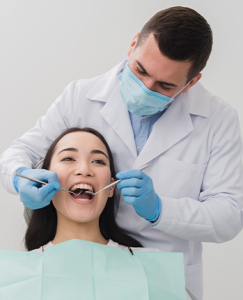
Regular dental visits are an important part of maintaining a healthy smile as you age. Professional examinations allow your dentist to evaluate your teeth, gums, bite, and existing dental restorations.
Your dentist can also identify early signs of cavities, gum disease, enamel wear, oral infections, and other concerns that may not cause noticeable symptoms initially.
The frequency of your dental visits depends on your individual oral health needs. Patients with gum disease, dental implants, extensive restorations, or other oral health concerns may require more frequent monitoring.
Don’t Ignore Tooth Sensitivity
Tooth sensitivity can occur for several reasons, including gum recession, enamel wear, cavities, or exposed areas of the tooth.
You may notice sensitivity when consuming hot, cold, sweet, or acidic foods and drinks. While occasional sensitivity may seem minor, persistent or worsening sensitivity should be evaluated by a dentist.
Identifying the underlying cause is important because treatment depends on what is causing the sensitivity.
Be Aware of Changes in Your Oral Health
As you age, it is helpful to pay attention to changes in your mouth. A new sore, lump, persistent irritation, unexplained bleeding, or other unusual change should not be ignored.
If you notice something that does not heal or continues to change, schedule an examination with your dental professional. Regular dental visits can also provide an opportunity to discuss any changes you have noticed.
Don’t Let Dental Anxiety Prevent You From Getting Care
Some people avoid dental visits because of anxiety or previous negative experiences. However, delaying dental care can allow small problems to become more complicated.
If you feel nervous about dental treatment, talk openly with your dental team. Understanding what will happen during your appointment and discussing your concerns beforehand can make the experience more comfortable.
A supportive dental team can help you find an approach that works for your individual needs.
Keep Your Smile Healthy at Every Age
Aging does not mean that you have to accept poor oral health as a normal part of getting older. Consistent brushing, daily interdental cleaning, a balanced diet, adequate hydration, and regular professional dental care can help you maintain a healthy smile throughout life.
Whether you are concerned about gum health, tooth sensitivity, missing teeth, dental implants, or general dental care, professional guidance can help you choose the right approach for your needs.
At Dr. Dalmao, the focus is on providing comprehensive dental care to help patients maintain healthy teeth and gums at every stage of life. If you have not had a dental examination recently or have noticed changes in your oral health, consider scheduling an appointment to discuss your concerns.
Book your appointment with Dr. Dalmao today and take the next step toward maintaining a healthy smile for years to come.